Low beam lights up the road close to the car without blinding others, and high beam lights up the road far ahead when no one is coming. Knowing the difference helps you see more and drive more calmly in the dark.
What is the difference between high beam and low beam?
The difference is the cut-off. Low beam has a sharp upper edge that keeps the light below the eyes of oncoming drivers. High beam has no cut-off and sends the light straight ahead, which makes it reach much further.
When should you use high beam?
Use high beam on unlit roads when there is no traffic ahead of you or coming towards you. Switch to low beam as soon as you meet a car or come up behind one. On roads with wildlife, high beam gives you time to see an animal before it reaches the road.
How do you compare how far lights reach?
Look at the distance where the light still gives 1 lux. It shows how far ahead the light is strong enough to see by. Twilight 300W reaches 1 lux at 794 m, which is why we publish that figure instead of only the rated watts.
Where do extra lights fit in?
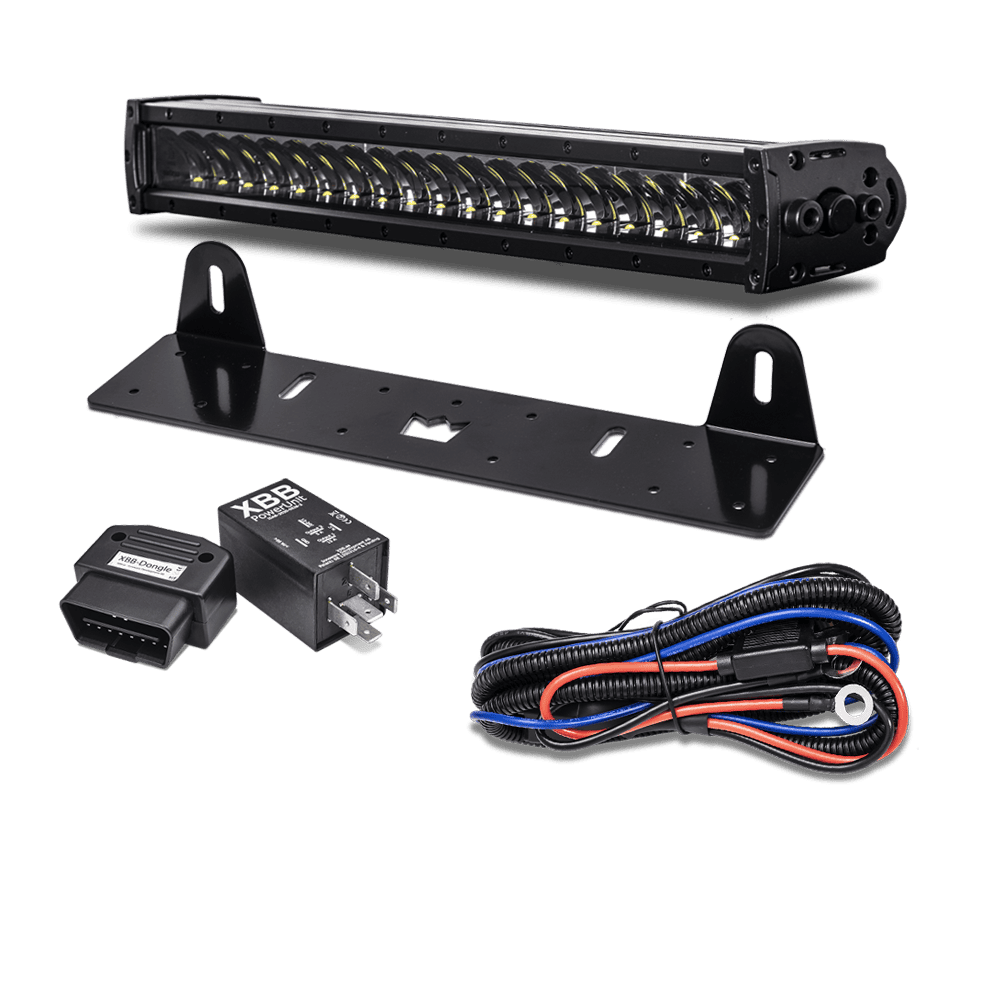
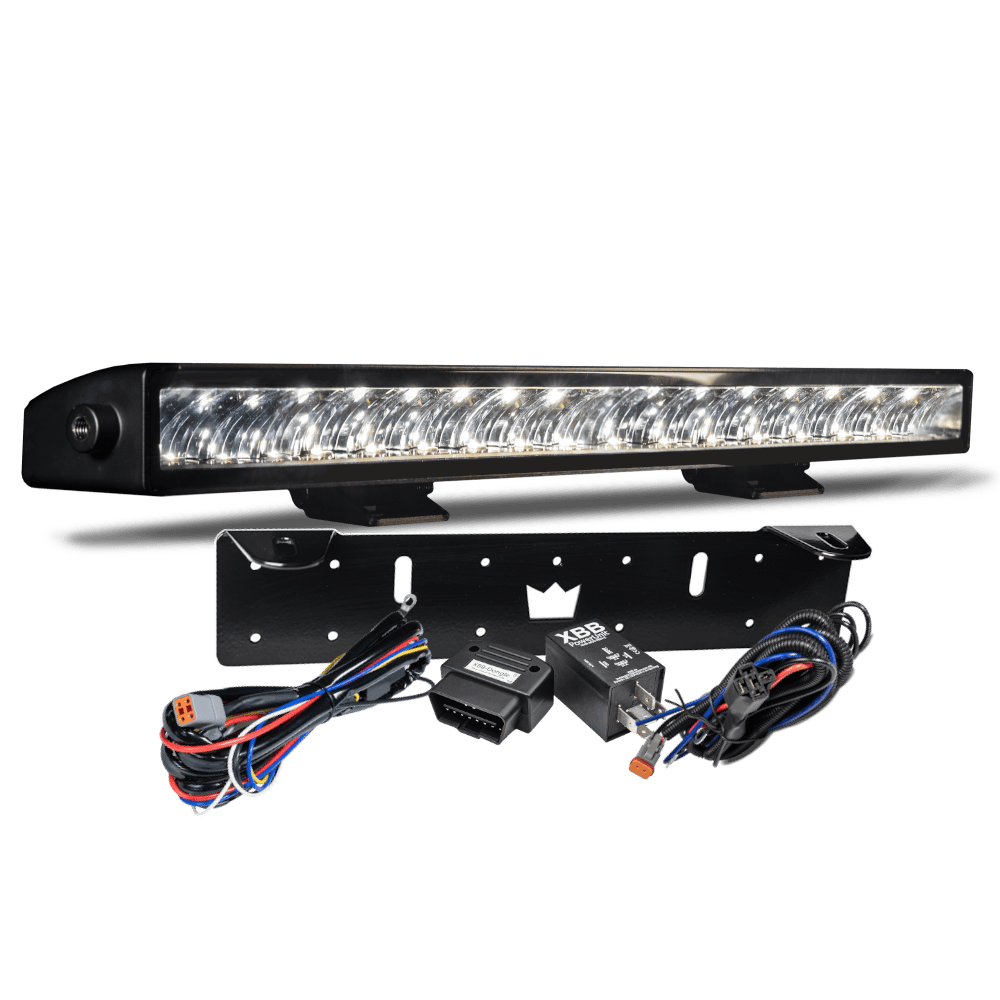
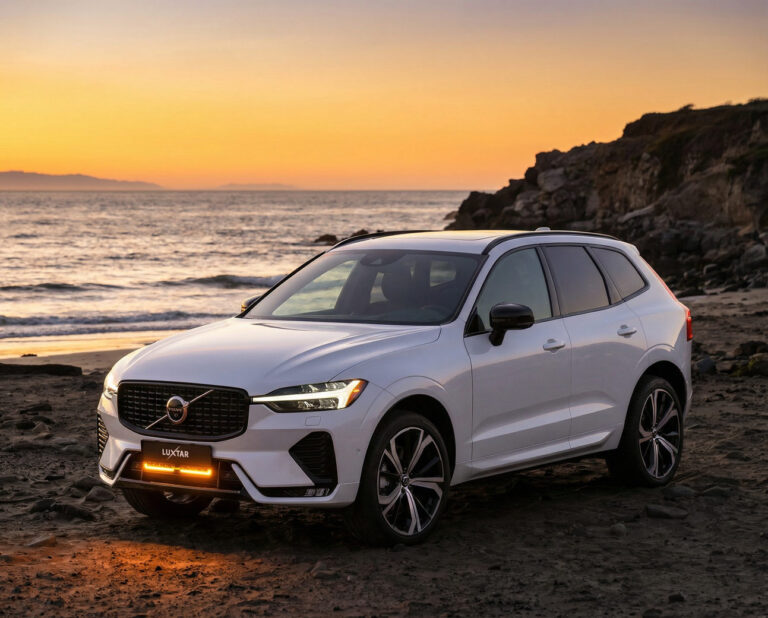
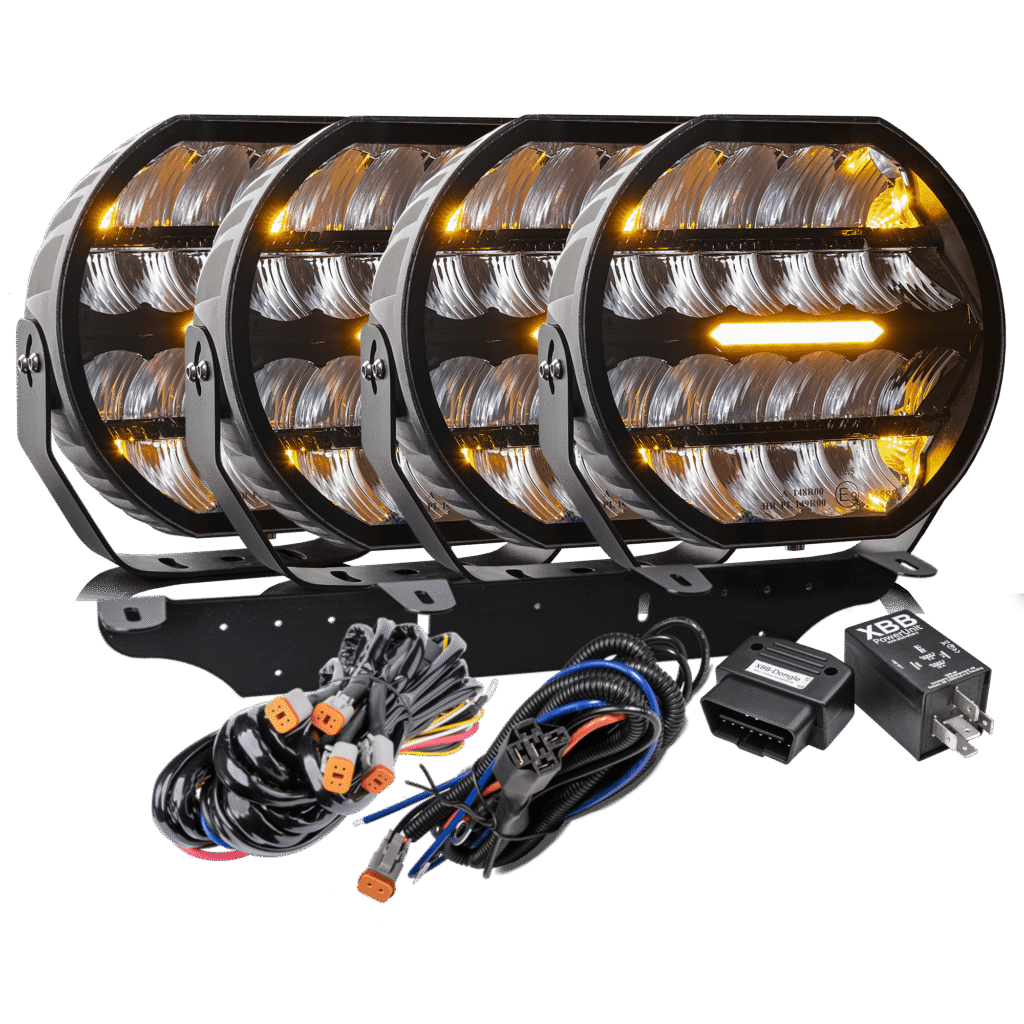
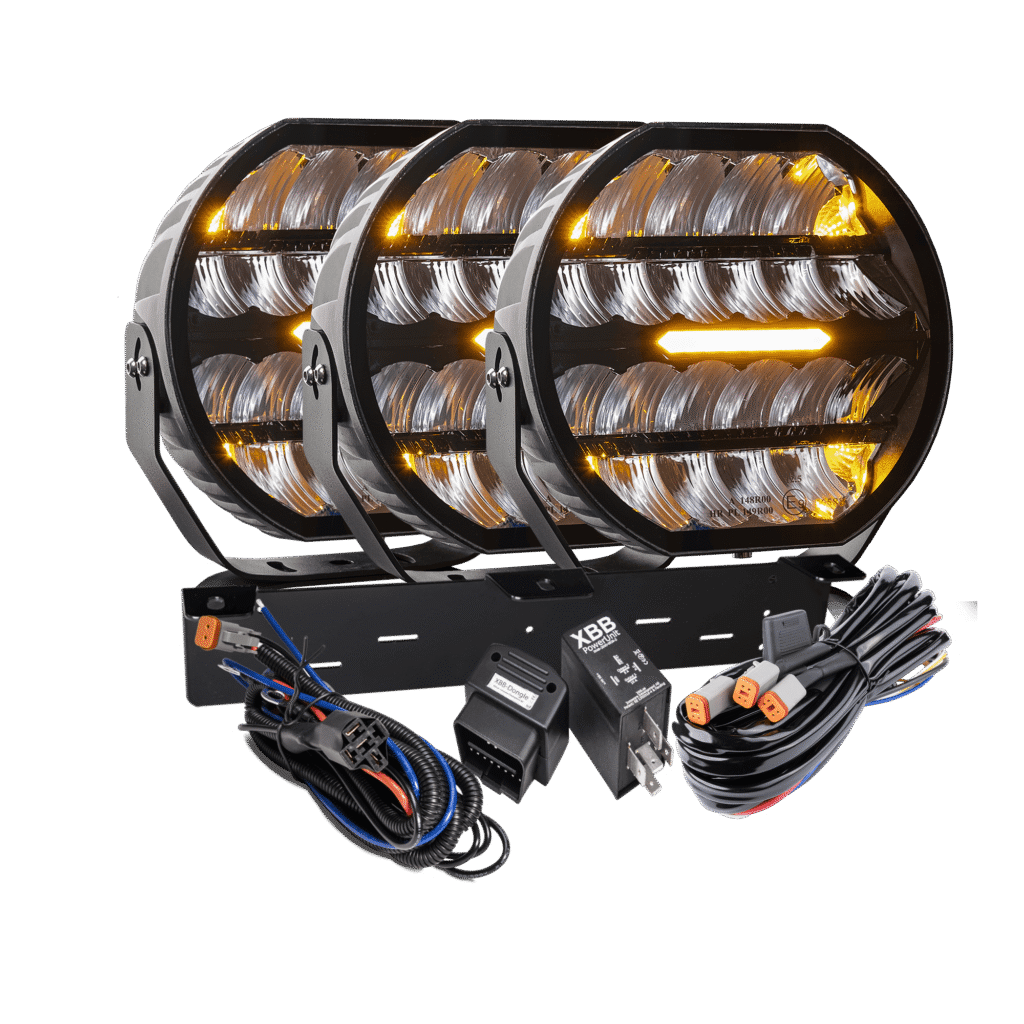
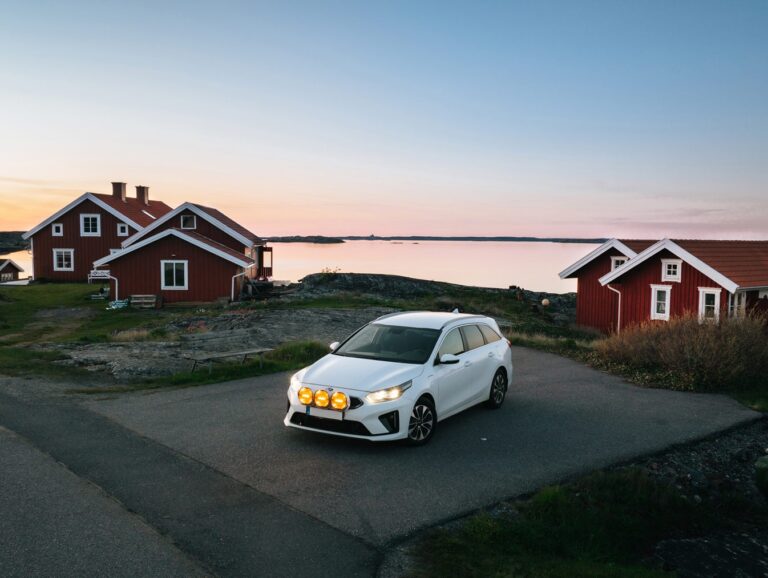
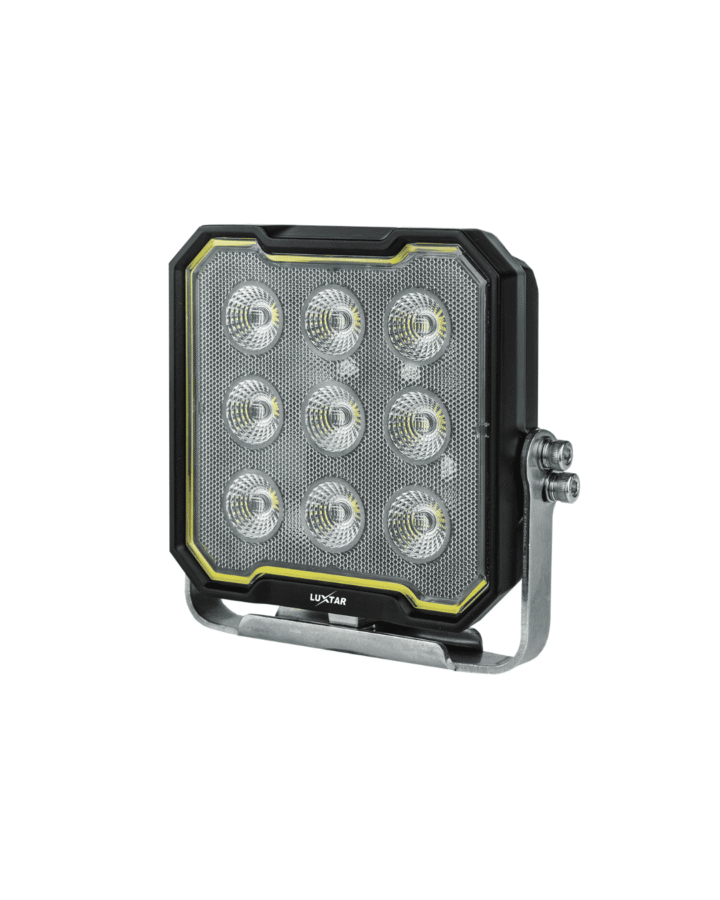
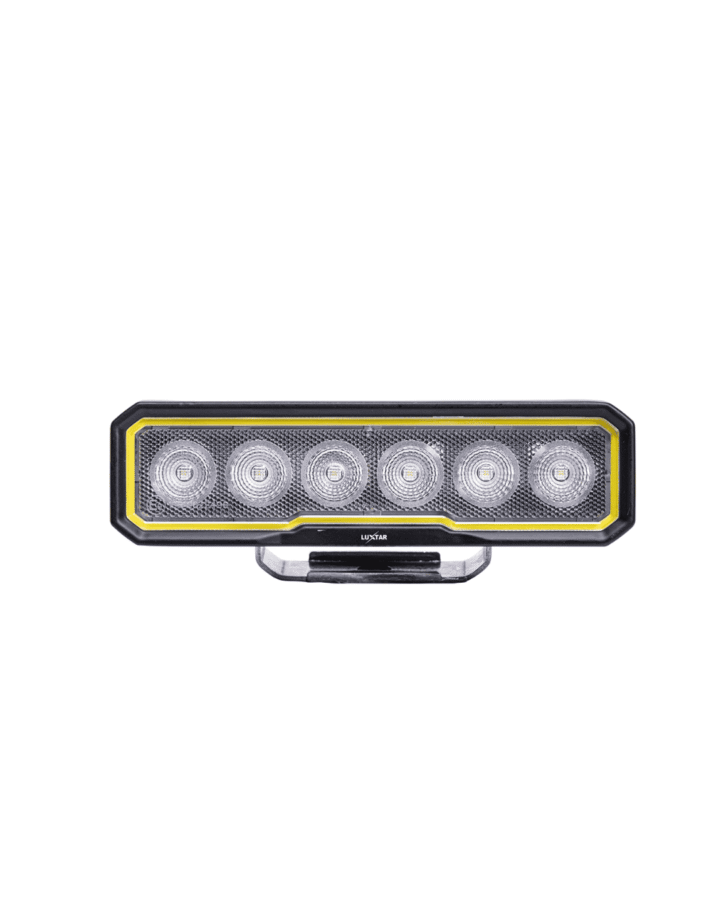
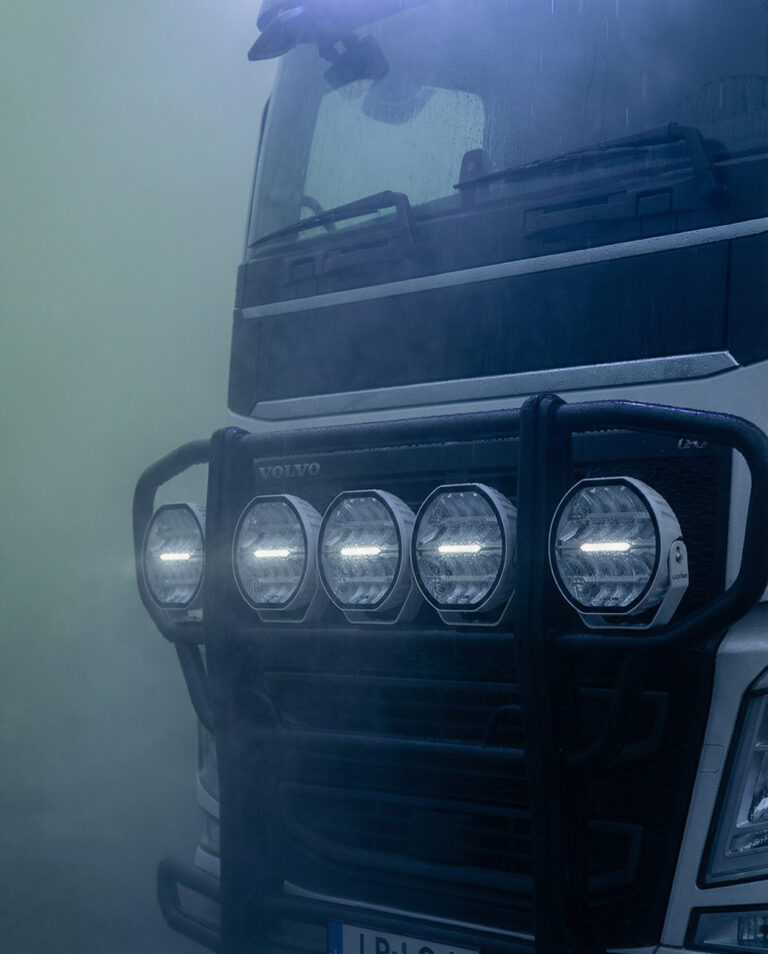
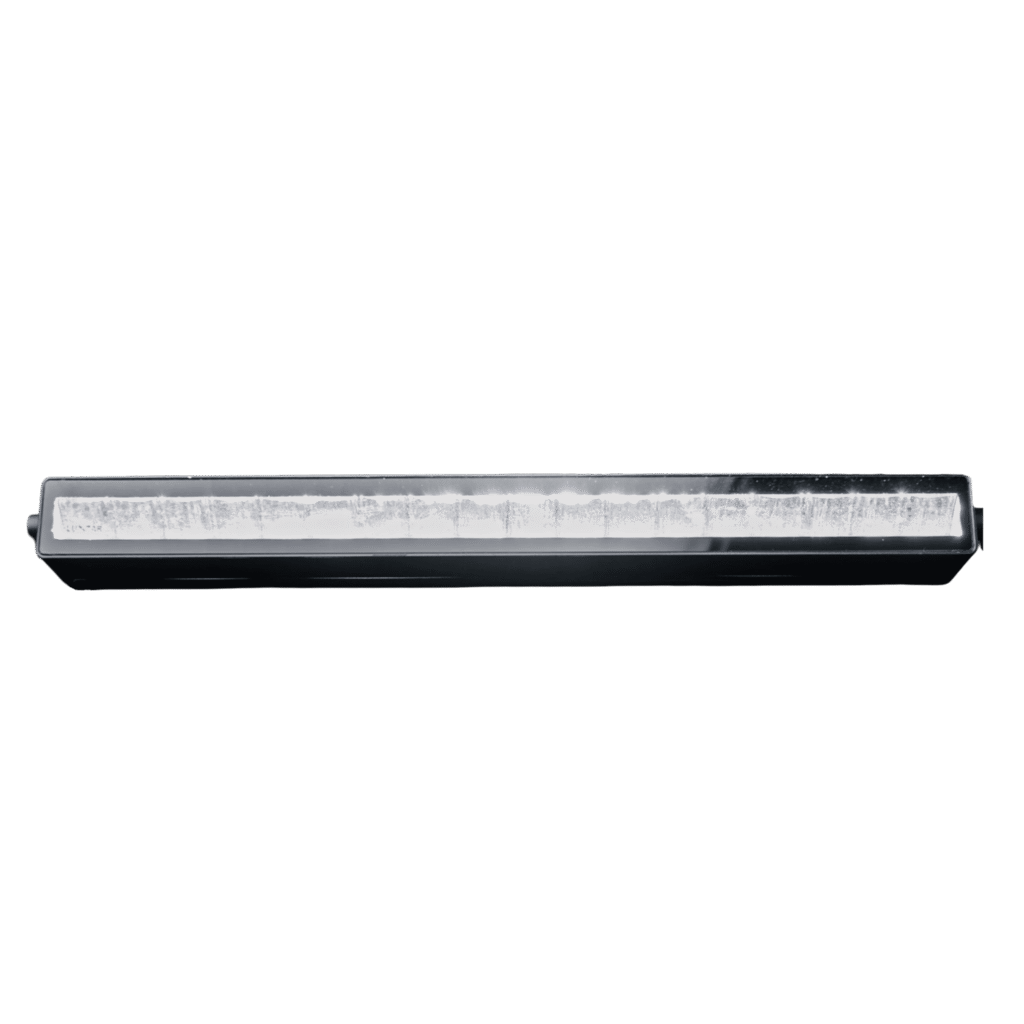
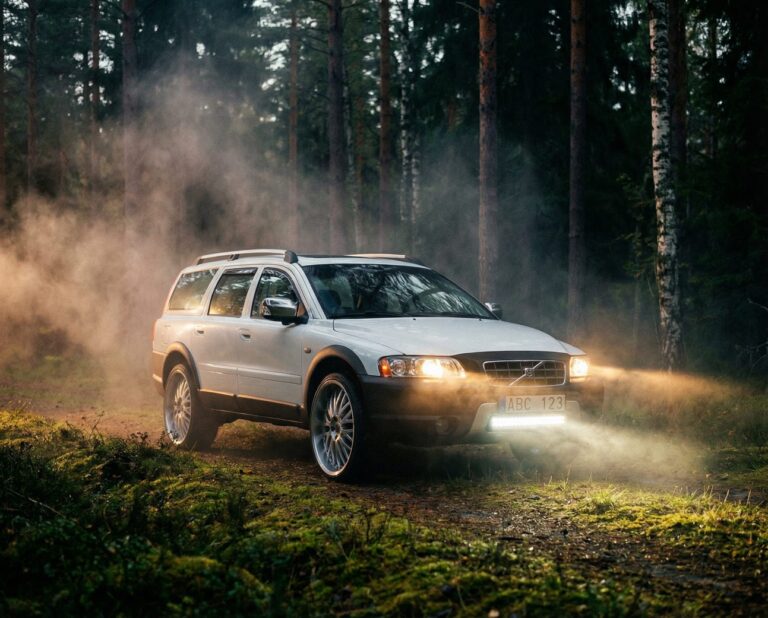
Extra lights work as part of your high beam. LED bars and driving lights are connected so they turn on and off together with the high beam, and they add both distance and width. You find them under LED bars and driving lights.
Can you use LED bulbs in your headlights?
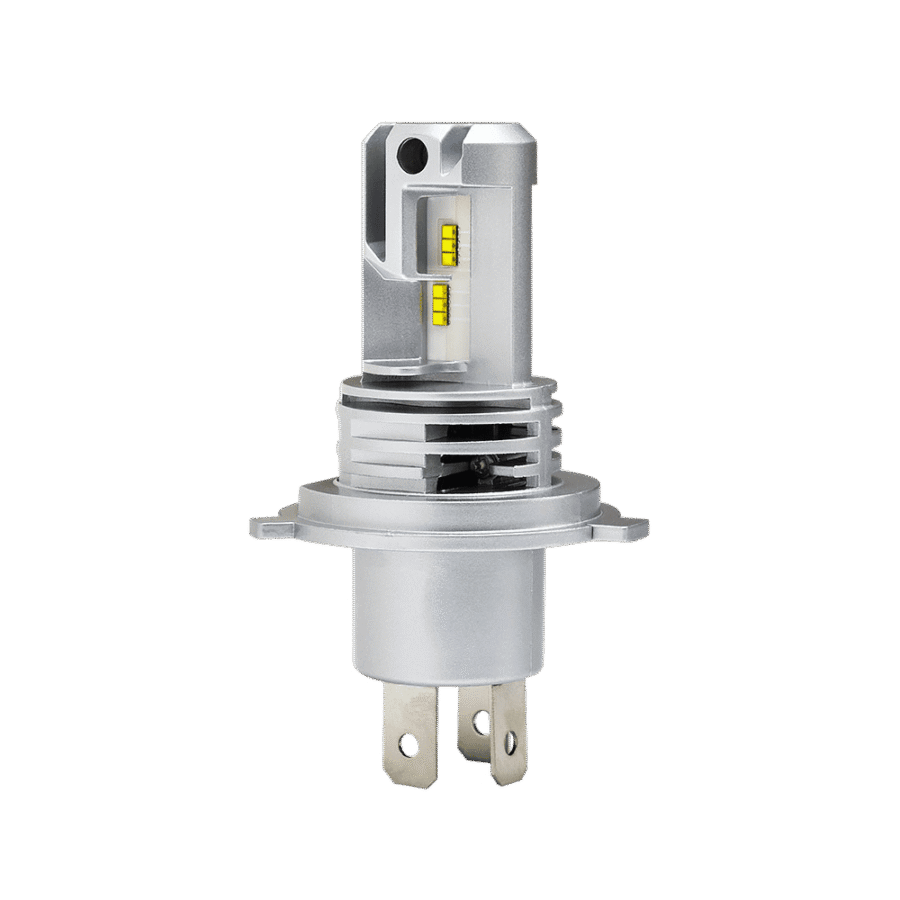
The rules for LED bulbs in headlights made for halogen differ between countries. Check what applies where you drive before you change bulbs. You find our bulbs sorted by socket under LED bulbs.
Which socket does your car use?
The socket is printed on the old bulb and listed in the car manual. H7, H4 and H1 are common for headlights, and many cars use different sockets for low beam and high beam.